
Dispelling Neurofeedback Myths
 Neurofeedback has become increasingly popular as a therapeutic tool for clients, but it remains misunderstood by many. Misconceptions about its safety, effectiveness, and legitimacy can prevent people from exploring this as an option. Even with the knowledge that neurofeedback is non-invasive, grounded in neuroscience, and backed by decades of research, patients still have common drawbacks. The following aims to address common myths and present clear, evidence-based answers to the questions most often asked about neurofeedback.
Science Behind Neurofeedback
Neurofeedback is, at its core, a form of brain-training. It uses real-time monitoring of brainwave activity to help individuals regulate their neural function. Sensors are placed on specific locations on the scalp depending on what behaviors are being targeted. They measure electrical activity and then provide visual/auditory feedback so the brain can “learn” to adopt more optimal patterns over time.
This process is able to utilize neuroplasticity, the brain’s ability to form and strengthen neural connections through repetition. This is the same mechanism that assists skill learning, memory formation, and rehabilitation after injury. Rather than directly altering the brain with stimulation or drugs, neurofeedback helps the brain discover more efficient patterns of functioning all on its own.
Are Neurofeedback results Permanent?
One of the most common myths is that neurofeedback improvements are temporary and fleeting. In reality, the lasting effects of neurofeedback are more easily understood with the concept of neuroplastic learning. It is very similar to how physical therapy leads to durable changes in muscle coordination or balance.
Research suggests that once the brain learns more efficient patterns of activity, those changes can persist long after training ends. This is especially true when new neural pathways are reinforced through daily life and ongoing practice. However, it’s important to know that this “permanence” doesn’t imply that symptoms disappear instantly. Skill acquisition of any kind takes time, and outcomes will be different based on the individual.
Can Neurofeedback Damage Your Brain?
The short answer is no. When done properly, neurofeedback is extremely safe and non-invasive. Unlike electrical stimulation or surgical interventions, neurofeedback uses sensors to monitor brain activity and not to create electrical currents or alter neural tissue. Think of the feedback that is received in these sessions as a mirror. Like a mirror, it reflects what the brain is doing so that a person can adjust it through learning and self-regulation. There’s no direct physical or chemical stimulation involved, meaning there is no possibility of damaging brain structure or function. There are some common responses to a neurofeedback session; however, they are very mild. For example, some people may feel more tired or more alert afterwards. This effect is similar to how a physical workout might affect mood or energy.
Can Neurofeedback Make You Worse?
Another common concern is whether neurofeedback might worsen symptoms. While significant harm is near impossible when a trained professional oversees treatment, there are a few important points to understand:
- Temporary adjustments are possible: As the brain learns new patterns, some people report brief fluctuations in mood, energy, or focus. This is not because the brain is damaged, but because it’s reorganizing itself. Changes like these are representative of positive processes happening in the brain.
- Provider quality matters: Neurofeedback protocols should be tailored to the individual’s goals and clinical goals. Adjustments must be guided by ongoing assessment and check-ins. Improper setup, inaccurate interpretation of data, or protocols applied without a clinical context may lead to less beneficial outcomes.
- Not all responses are the same: Like any intervention, neurofeedback doesn’t work the exact same way for everyone. Some may respond quickly, others slowly, and others may need supplementary therapeutic support. None of these situations signals that neurofeedback isn’t working. They only highlight the importance of qualified providers and the importance of a tailored treatment program.
In other words, neurofeedback does not make you worse. However, it is very important to understand the intricacies that come with this therapy tool. An individual may have an adjustment period, providers make a huge difference in quality, and each person will have their own treatment plan.
Who Performs Neurofeedback Therapy?
Neurofeedback involves both technical competency and clinical judgment. The process to attain both and begin administering 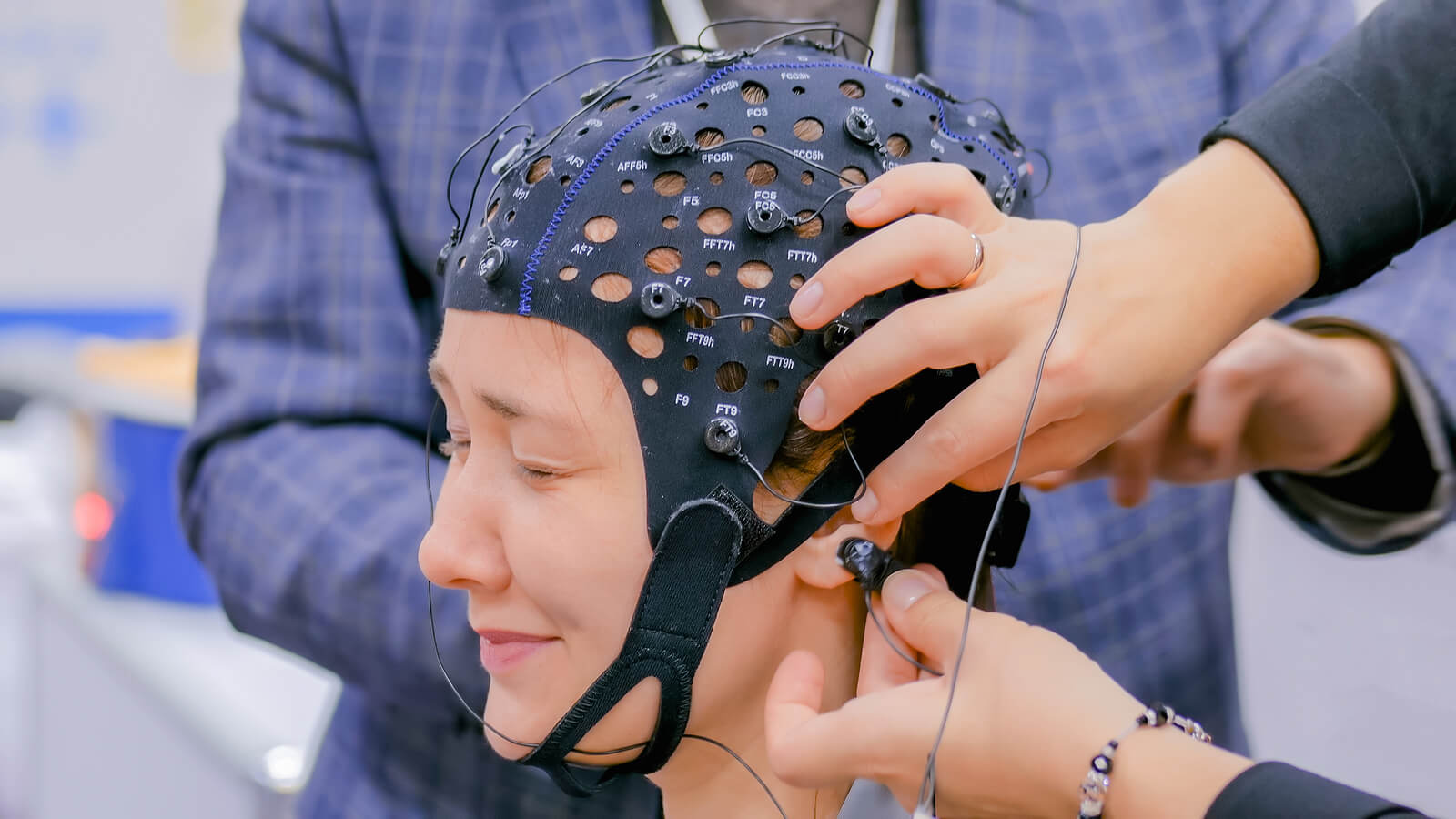 neurofeedback successfully and confidently is very thorough:
Professional Licensing:
Clinicians such as licensed psychologists, psychiatrists, clinical social workers, or licensed mental health therapists can integrate neurofeedback into their practice. These professionals are responsible for diagnosis, assessment, treatment planning, and clinical decision-making. They will administer sessions, alter plans if needed, and keep track of a patient’s results.
Certification Standards:
Beyond basic licensure, reputable practitioners often have specialized credentialing specific to neurofeedback. The Biofeedback Certification International Alliance (BCIA) is one well-recognized certifying body that offers board certification in neurofeedback. They certify clinicians and technicians who meet rigorous education, supervised practice, and ethical standards.
Technicians vs. Clinicians:
Technicians who provide neurofeedback under supervision may assist with setup and monitoring, but diagnostic decisions and treatment adjustments should be made by licensed healthcare professionals. At Mountain Vista Psychology, all of our providers have a background in mental health.
Proper training matters because effective neurofeedback depends on accurate interpretation of EEG data and clinical context. These are the key factors that differentiate safe therapy from “DIY” approaches.
Does Insurance Cover Neurofeedback?
Insurance coverage for neurofeedback in the United States is highly variable and evolving, but the overall trend is that coverage is limited.
Why Coverage Is Limited:
Many insurers classify neurofeedback as experimental or investigational, especially when used for mental health conditions. As a result, it’s often not covered under standard behavioral health benefits, particularly by Medicare and Medicaid.
When Coverage Might Be Possible:
- Some private insurers may reimburse neurofeedback (e.g., CPT code 90876), which is neurofeedback combined with psychotherapy, depending on the diagnosis and documentation.
- Clients are often given a “superbill” — a detailed invoice they can submit for out-of-network reimbursement, with success depending on the policy.
- Conditions with stronger evidence bases for neurofeedback, such as ADHD or certain neurologic conditions, may have a slightly higher chance of partial reimbursement — but it’s still far from guaranteed.
- Current Practice Realities: Because reimbursement rates can be low or uncertain, many neurofeedback practices opt out of insurance billing entirely, instead offering private pay and superbills. At Mountain Vista Psychology, we accept Medicaid and Cigna for neurofeedback.
 For clients considering neurofeedback, contacting the insurance provider directly with specific CPT and diagnostic codes is the best way to understand individual coverage possibilities.
Making an Informed Decision
Neurofeedback is a non-invasive, learning-based intervention grounded in neuroscience and clinical research. Many of the concerns surrounding neurofeedback stem from misunderstandings about how it works, who should provide it, and what realistic outcomes look like. Neurofeedback is a very safe therapy and can offer meaningful benefits for a range of cognitive, emotional, and neurological concerns. Like any therapeutic approach, its effectiveness depends on proper assessment, individualized protocols, and integration within a broader treatment plan that considers the whole person. With a good provider, this is all a guarantee.
Start Neurofeedback Therapist in Greenwood Village, CO, Littleton, Englewood, and Across the State
Ultimately, informed decisions empower clients to engage in treatment with confidence. By separating fact from fiction, individuals can better determine whether neurofeedback aligns with their needs, values, and therapeutic goals. They can then pursue care that is both effective and life-changing. Our team of caring therapists is happy to offer understanding support. You can start your therapy journey with Mountain Vista Psychology by following these simple steps:
- Contact us, give us a call at 720-583-9332, or email us at info@mountainvistapsychology.com.
- Meet with a caring therapist
- Start moving forward with clarity and confidence!
Other Services Offered by Mountain Vista Psychology
Neurofeedback isn’t the only service offered by Mountain Vista Psychology. Our team is happy to offer in-person mental health support from Littleton, Englewood, and Greenwood Village, in addition to online counseling across the state. We offer a variety of mental health services, including ADHD testing and ADHD therapy for children, teens, and adults. We also offer child counseling, teen counseling, adult counseling, family therapy, grief counseling, and therapeutic yoga. Additionally, we provide neurofeedback therapy, including targeted neurofeedback for ADHD, autism, anxiety, concussion/TBI recovery, and sports or performance enhancement. We also conduct evaluations for learning disabilities and Autism. Read through the Mountain Vista blog for helpful information and insights!
Call For a FREE Consultation
We serve the Denver Metro area of Colorado. Click the button below to call and Schedule an Initial Consultation. To Schedule Neurofeedback or Testing please call us at 720-248-8603
Recent Articles

Evaluaciones de autismo en español: lo que las familias deben saber
Conoce cómo el idioma, la cultura y las observaciones familiares deben considerarse durante una evaluación de autismo en español.

Autism Evaluations and Bilingual Families: What Parents Should Know
Learn how language, culture, family input, and bilingualism should be considered during an autism evaluation for a bilingual child.

Cómo las familias hispanas pueden buscar apoyo emocional en español en Colorado
Buscar apoyo emocional en español puede sentirse difícil cuando existen barreras de idioma, cultura o confianza. Conoce cómo dar el primer paso en Colorado.

Mental Health, Culture, and Family: How Hispanic Families Can Talk About Counseling
Culture, language, family expectations, and generational differences can shape how Hispanic families talk about mental health and counseling.