
Can Neurofeedback Help Your Child or Teen
What is Neurofeedback?
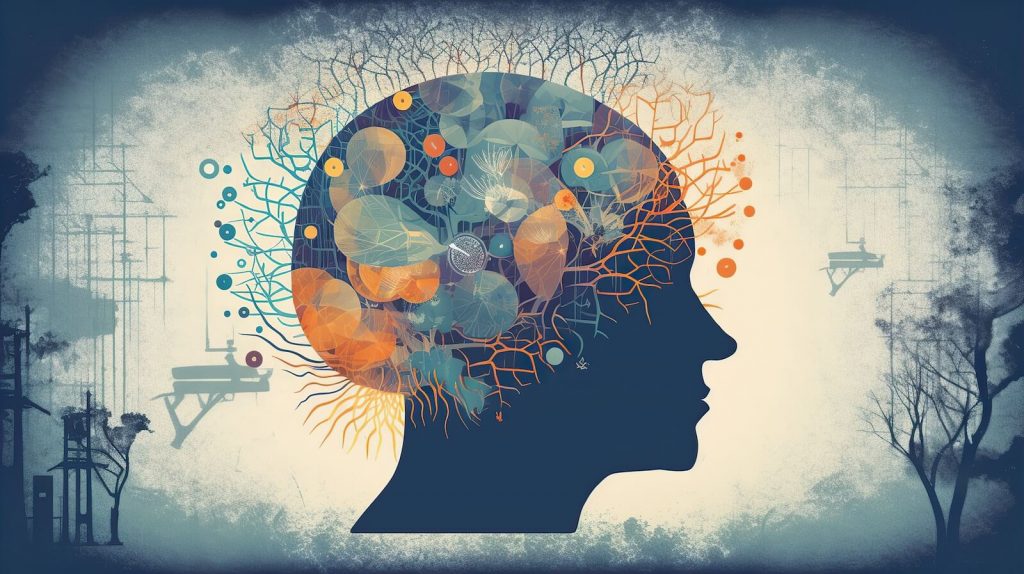
Neurofeedback is a type of biofeedback that focuses on the brain’s electrical activity. During the process of neurofeedback, sensors are used to monitor brainwave patterns, and the information is fed back to the individual in real time through auditory and visual reinforcements.
The feedback is helpful in regulating brain activity, leading to improved cognitive, emotional, and behavioral function. Through repeated sessions and practice, the brain will learn to self-regulate and produce more adaptive patterns. Neurofeedback is a recognized evidence-based and non-invasive form of treatment for mental health.
Can Neurofeedback Help Your Child or Teenager?
Neurofeedback can be helpful for children and teenagers, especially if they are experiencing issues related to mood, attention, behaviors, or anxiety. Working with young brains has shown quicker results, as their brains are more flexible and have limited exposure to habits that have already manifested and matured into traits in adulthood.
Neurofeedback has been well-researched as a beneficial treatment for conditions in children and teenagers including ADHD (Attention-Deficit/ Hyperactivity Disorder), Anxiety, Depression, Autism Spectrum Disorder, Traumatic Brain Injury, and Insomnia. As a caregiver, it can be challenging to see a child or teenager struggle so much. Below are four reasons to consider neurofeedback treatment for your child or teenager.
- Neurofeedback is natural, medication-free, and safe: Neurofeedback is based upon the natural processes of the brain and, in many cases, is medicine-free. It can also be helpful for those wanting to wean off medications. The changes to the brain that as a result of neurofeedback are durable and permanent.
- Neurofeedback strengthens skills: Neurofeedback has the potential to enhance certain skills by training the brain to regulate its activity more efficiently. It is a natural process that teaches the brain to function at its best, helping your child or teenager live to their fullest potential.
- Neurofeedback reduces problems: Neurofeedback sessions aim to train the brain to function more calmly and more efficiently. As the brain operates in a more efficient way, it is likely that behaviors will also have a positive change. For example, if a child’s brain is able to process information more easily, tantrums are less likely to occur. Furthermore, the child is more likely to respond to interventions or directions given by the caregiver.
As a caregiver, it can be challenging to find the right course of treatment. If your child or teenager is struggling to succeed, neurofeedback may be a fantastic treatment of choice due to its highly effective nature and research-based success. Please reach out to Mountain Vista Psychology for more information!
Call For a FREE Consultation
We serve the Denver Metro area of Colorado. Click the button below to call and Schedule an Initial Consultation. To Schedule Neurofeedback or Testing please call us at 720-248-8603
Recent Articles
Dispelling Neurofeedback Myths
Neurofeedback has become increasingly popular as a therapeutic tool for clients, but it remains misunderstood by many. Misconceptions about its…

Autism Testing for Adults: Why Diagnosis Still Matters
What is Autism? Autism is a neurological difference that impacts how one scales social interactions, interpersonal relationships, and experiences the…

The Intersectionality of Autism & LGBTQIA Throughout the Lifespan
If you have a child (of any age) who you think may be Autistic, has been diagnosed as Autistic, or…

Autism Diagnosis Support Guide: Interventions, Therapy, and Accommodations for All Ages
Understanding Your Diagnosis An Autism or other mental health diagnosis may be very overwhelming. Understanding a diagnosis can help lessen…