
Is Exercise Really THAT Important?!?!?!

We’ve all heard the saying “You are only one workout away from a good mood,” so what’s the big deal anyway? Well, new research suggests that exercise can impact the brain in many more ways than just releasing the feel-good endorphins that combat depression, it has been shown to directly affect the brain. New studies have shown that there is a correlation between low levels of exercise as a child and later development of psychosis and schizophrenia and also correlations between stronger feelings of social integration with people who engaged in physical exercise often.
So why is this important and exactly how does exercise directly affect the brain? We live in the age of technology where there are now rules around “screen time” and social media and iPhones rule the lives of kids, teenagers, and us. Have you noticed your teen has been depressed or saying things like they don’t have any friends, they feel weird about approaching people or they don’t feel like they can relate to anyone? What about FOMO (“fear of missing out”) or sleep deprivation or even bullying? These are all things I hear almost on a daily basis from clients, and the reoccurring theme in all of these sessions is that there just isn’t enough physical activity and exercise going on. Teens are more interested in staying home on their phones or gaming devices than they are going outside and exercising.
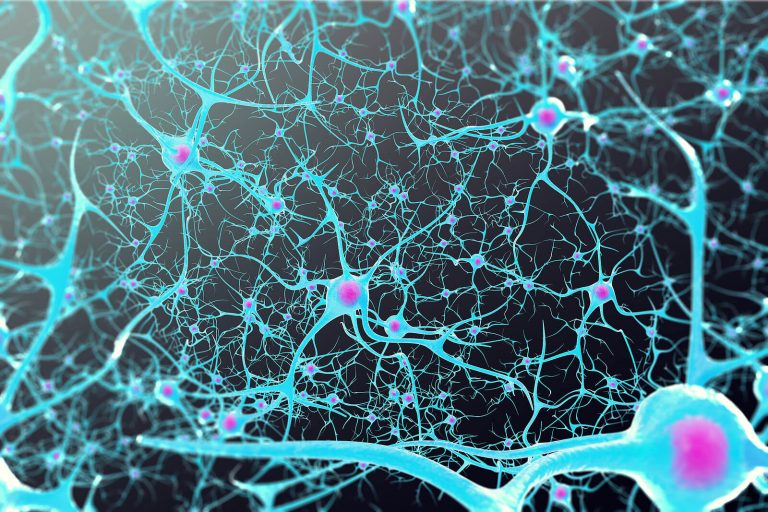
Exercise directly affects the brain because with regular exercise, the volume of certain brain regions increases due to increased blood flow and oxygen. In particular, when looking at exercise and the brain, the hippocampus is one of the regions of the brain that is impacted. The hippocampus is involved in things like memory, emotion regulation and learning and has been shown to generate new hippocampal neurons through a process called neurogenesis with regular exercise. Research has shown that many mental health issues are associated with a reduction in neurogenesis in the hippocampus, mainly depression and anxiety- so not only does exercise release the feel good endorphins, it also helps the brain grow and develop. Aside from the release of endorphins, there are many more positives to exercise such as weight loss, a healthier heart and social integration.
So how do you get your teen to put the phone and gaming device down and exercise? Exercise as a family! Family has a major influence on how we perceive exercise and how we view health in general. Involving the entire family in exercise allows for time to be spent together and improve relationships while having fun. Involving the family in exercise can change the perception of exercise when parents model healthy behaviors.
Written by Tanja Gorenc, M.A.
Call For a FREE Consultation
We serve the Denver Metro area of Colorado. Click the button below to call and Schedule an Initial Consultation. To Schedule Neurofeedback or Testing please call us at 720-248-8603
Recent Articles
Dispelling Neurofeedback Myths
Neurofeedback has become increasingly popular as a therapeutic tool for clients, but it remains misunderstood by many. Misconceptions about its…

Autism Testing for Adults: Why Diagnosis Still Matters
What is Autism? Autism is a neurological difference that impacts how one scales social interactions, interpersonal relationships, and experiences the…

The Intersectionality of Autism & LGBTQIA Throughout the Lifespan
If you have a child (of any age) who you think may be Autistic, has been diagnosed as Autistic, or…

Autism Diagnosis Support Guide: Interventions, Therapy, and Accommodations for All Ages
Understanding Your Diagnosis An Autism or other mental health diagnosis may be very overwhelming. Understanding a diagnosis can help lessen…