
Postpartum Depression

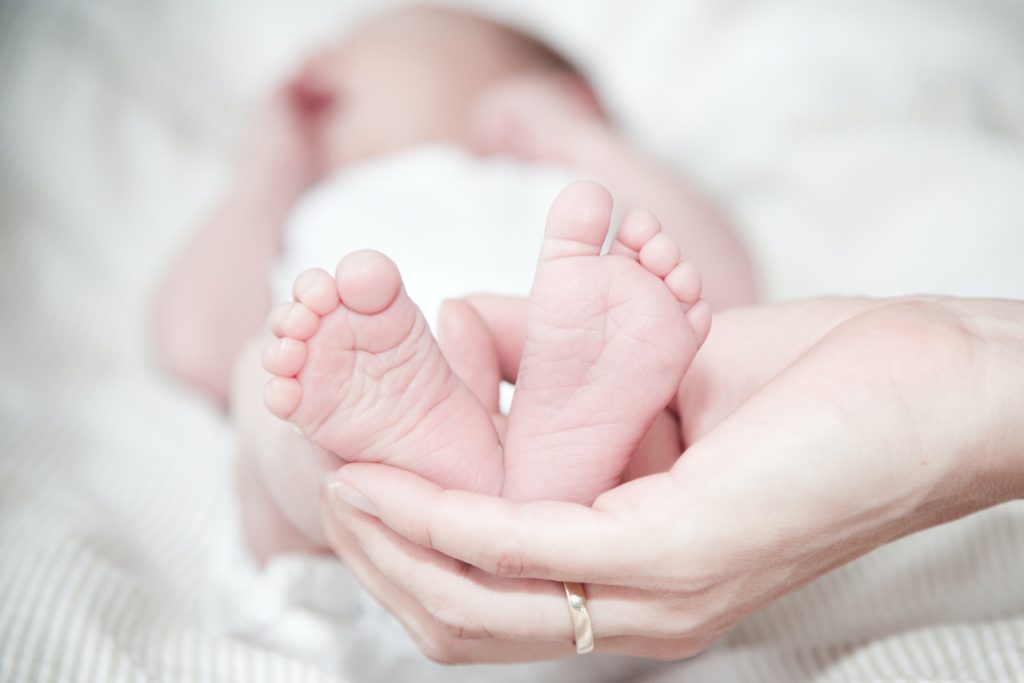
For many women the birth of a baby is exciting and a love you’ve never experienced before. However, it can also cause you to feel a different range of emotions, from fear and anxiety to depression.
It’s been found that new moms begin to feel “Baby Blues” which occur 2- 3 days after giving birth to their child. These “Baby Blues” can cause some women to have crying spells, anxiety, difficulty sleeping, and mood swings and can last for a few weeks. However, some women can experience these feelings more severely and can be long-lasting, and can develop into postpartum psychosis.
Postpartum depression symptoms
Postpartum depression may be mistaken for “Baby Blues” at first. The symptoms are more intense and last longer, and may eventually interfere with your ability to care for your baby and handle other daily tasks. Symptoms usually occur within the first few weeks after giving birth, but may begin earlier, during your pregnancy, or later up to a year after birth.
Postpartum depression signs and symptoms may include:
- Depressed mood or severe mood swings
- Excessive crying
- Difficulty bonding with your baby
- Withdrawing from family and friends
- Loss of appetite or eating much more than usual
- Inability to sleep (insomnia) or sleeping too much
- Overwhelming fatigue or loss of energy
- Reduced interest and pleasure in activities you used to enjoy
- Intense irritability and anger
- Fear that you’re not a good mother
- Hopelessness
- Feelings of worthlessness, shame, guilt, or inadequacy
- Diminished ability to think clearly, concentrate or make decisions
- Restlessness
- Severe anxiety and panic attacks
- Thoughts of harming yourself or your baby
- Recurrent thoughts of death or suicide
Untreated, postpartum depression may last for many months or longer.
Postpartum psychosis
Postpartum psychosis is a rare condition that typically develops within the first week after delivery the signs and symptoms are severe and may include:
- Confusion and disorientation
- Obsessive thoughts about your baby
- Hallucinations and delusions
- Sleep disturbances
- Excessive energy and agitation
- Paranoia
- Attempts to harm yourself or your baby
Postpartum psychosis may lead to life-threatening thoughts or behaviors and requires immediate treatment.
Causes
The exact cause isn’t clear, but some factors may contribute to postpartum depression. It may be triggered by a combination of physical changes and emotional stressors. One of the biggest factors is hormones. When you’re pregnant, your levels of estrogen and progesterone are higher than usual. After giving birth, hormone levels drop back down to their previous state. This abrupt change is suspected to lead to depression. Additionally, if you’ve had a previous mood disorder or if they run in your family, you may be more likely to develop postpartum depression.
Self-care
This part of treatment is a little more difficult than it sounds. Exercising self-care means cutting yourself some slack. You shouldn’t try to shoulder more responsibility than you can manage. People around you may not know what you need, so it’s important to voice your needs and concerns to them. Be sure to carve out some “me time,” but it’s important you don’t isolate yourself. Some moms join a support group for new mothers to surround themselves with others who may be able to relate. Treatment helps most women feel better within six months, although it can take longer for some.
At Mountain Vista Psychology, we can help you work through your postpartum symptoms. Our therapists are ready to talk. For a FREE consult, email us at info@mountainvistapsychology.com or call us at 720-583-9339
Call For a FREE Consultation
We serve the Denver Metro area of Colorado. Click the button below to call and Schedule an Initial Consultation. To Schedule Neurofeedback or Testing please call us at 720-248-8603
Recent Articles
Dispelling Neurofeedback Myths
Neurofeedback has become increasingly popular as a therapeutic tool for clients, but it remains misunderstood by many. Misconceptions about its…

Autism Testing for Adults: Why Diagnosis Still Matters
What is Autism? Autism is a neurological difference that impacts how one scales social interactions, interpersonal relationships, and experiences the…

The Intersectionality of Autism & LGBTQIA Throughout the Lifespan
If you have a child (of any age) who you think may be Autistic, has been diagnosed as Autistic, or…

Autism Diagnosis Support Guide: Interventions, Therapy, and Accommodations for All Ages
Understanding Your Diagnosis An Autism or other mental health diagnosis may be very overwhelming. Understanding a diagnosis can help lessen…