
What is Neurofeedback?
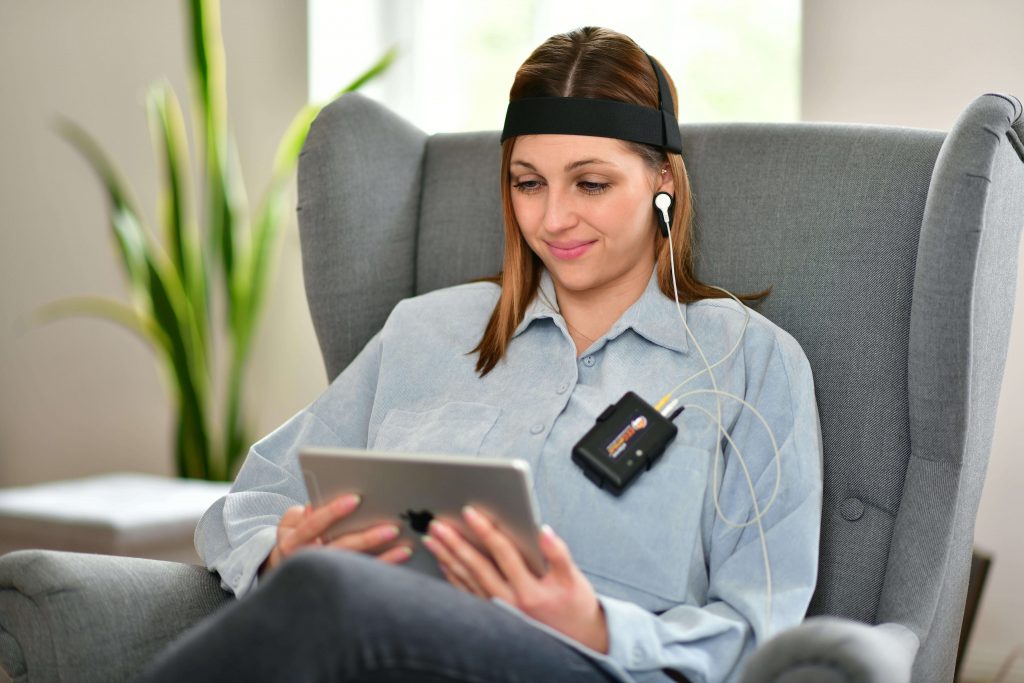
Neurofeedback is a form of biofeedback, a technique that uses sensors to measure brain activity with the intent of helping individuals understand and control it. With the use of neurofeedback, recipients are able to consciously regulate their own brain activity. It works by using electroencephalography (EEG) to record brainwaves while also providing audio and visual feedback simultaneously.
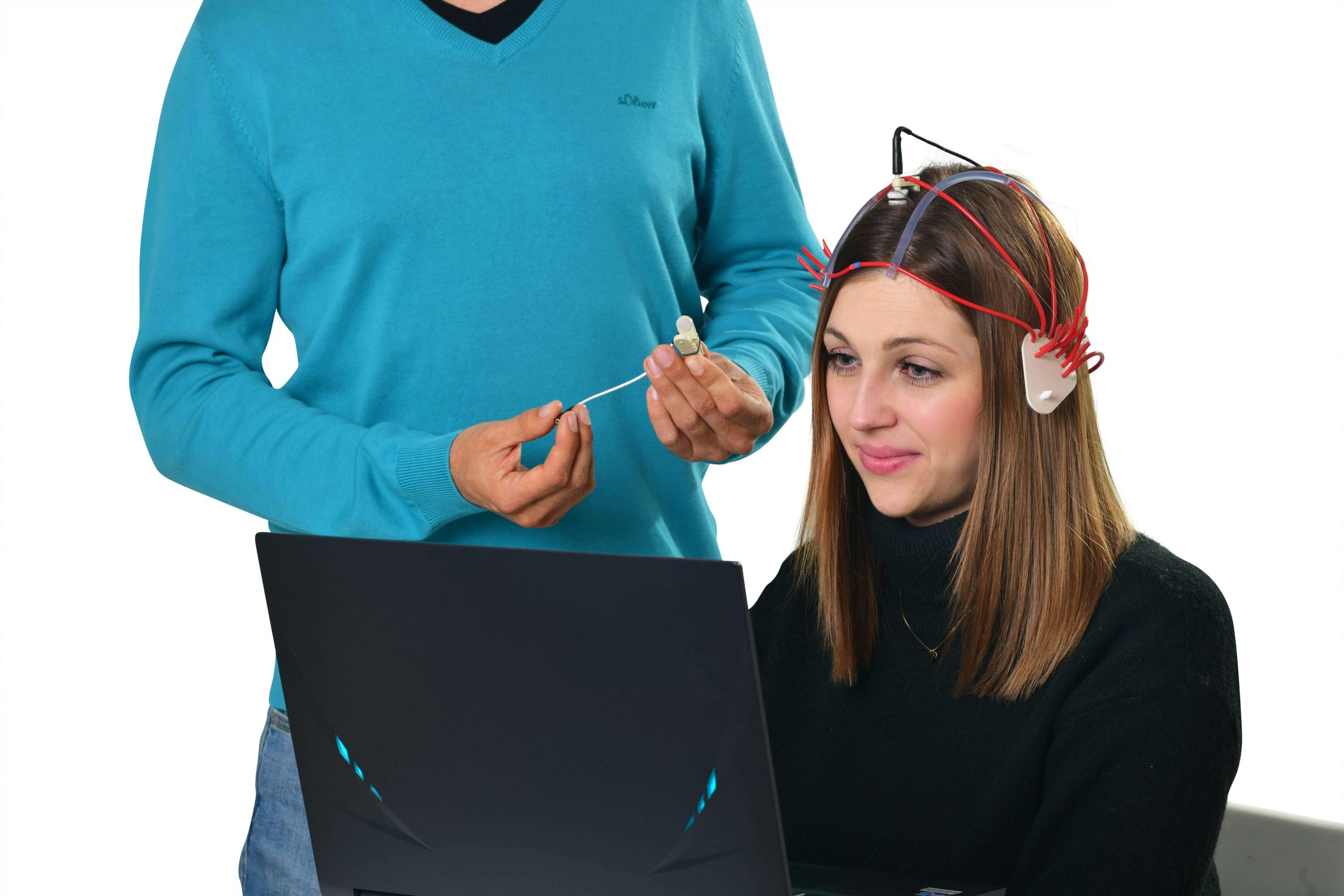 In simpler terms, a few sensors are placed on strategic parts of the scalp to efficiently record the brainwaves. Once this is done the person gets to play games! Seriously, the audio-visual part of neurofeedback is presented to individuals in a video game–like format that has the added bonus of helping re-wire brain patterns. During a session, the individual is essentially learning how to shift their brain into healthier, more efficient patterns. They receive real-time information about what their brain is doing. Over time, and with repetition, the brain begins to adopt these helpful patterns and they become second nature.
The Process of Neurofeedback
A typical neurofeedback process begins with an initial assessment, which often includes a clinical interview, symptom rating scales, and a quantitative EEG (qEEG). A qEEG—also called a “brain map”—records your resting brain activity and compares it to a database containing “normal” activity. This can help identify patterns of over- or under-activation that may relate to symptoms such as anxiety, inattention, impulsivity, or sleep difficulties. After the assessment, a personalized training plan is created. This plan outlines which brainwave frequencies are being trained, what locations on the scalp will be used, and what type of feedback each individual will receive.
A typical session looks like this: To begin, sensors are placed on the scalp to detect and record electrical activity from different brain regions. These sensors only read activity and do not deliver any electrical stimulation. Next, the brainwaves are processed in real time by special software that analyzes patterns and activity. Feedback from these sensors is displayed instantly, often in the form of a video game, movie, or visual animation.
Training in the brain happens during this next part.
When the brain produces positive activity (calm, focused, stable patterns), the feedback becomes rewarding. The game moves forward, the brightness increases, the audio becomes clearer, or you earn points. On the other hand, when brainwaves move in an undesired direction, the feedback dims, slows down, or becomes less rewarding. The most important thing to remember is that reinforcement leads to learning. Through repetition of sessions as well as lengthened sessions, your brain learns how to produce the healthier patterns on its own. Sessions may start and generally last 25-30 minutes, and many people begin to notice improvements by the 8–12 session mark. However, long-term change happens gradually as the brain learns and adopts new patterns.
How It Works in the Brain
The main goal of recording an individual’s brainwaves during neurofeedback is to create positive, desirable patterns. This means that when desirable patterns are detected, a positive reinforcer is produced. This may be a pleasant noise or the addition of points in a video game visual. On the other hand, when brainwaves shift in an undesirable direction, a more negative outcome is produced. But what’s happening inside the brain to make this work?
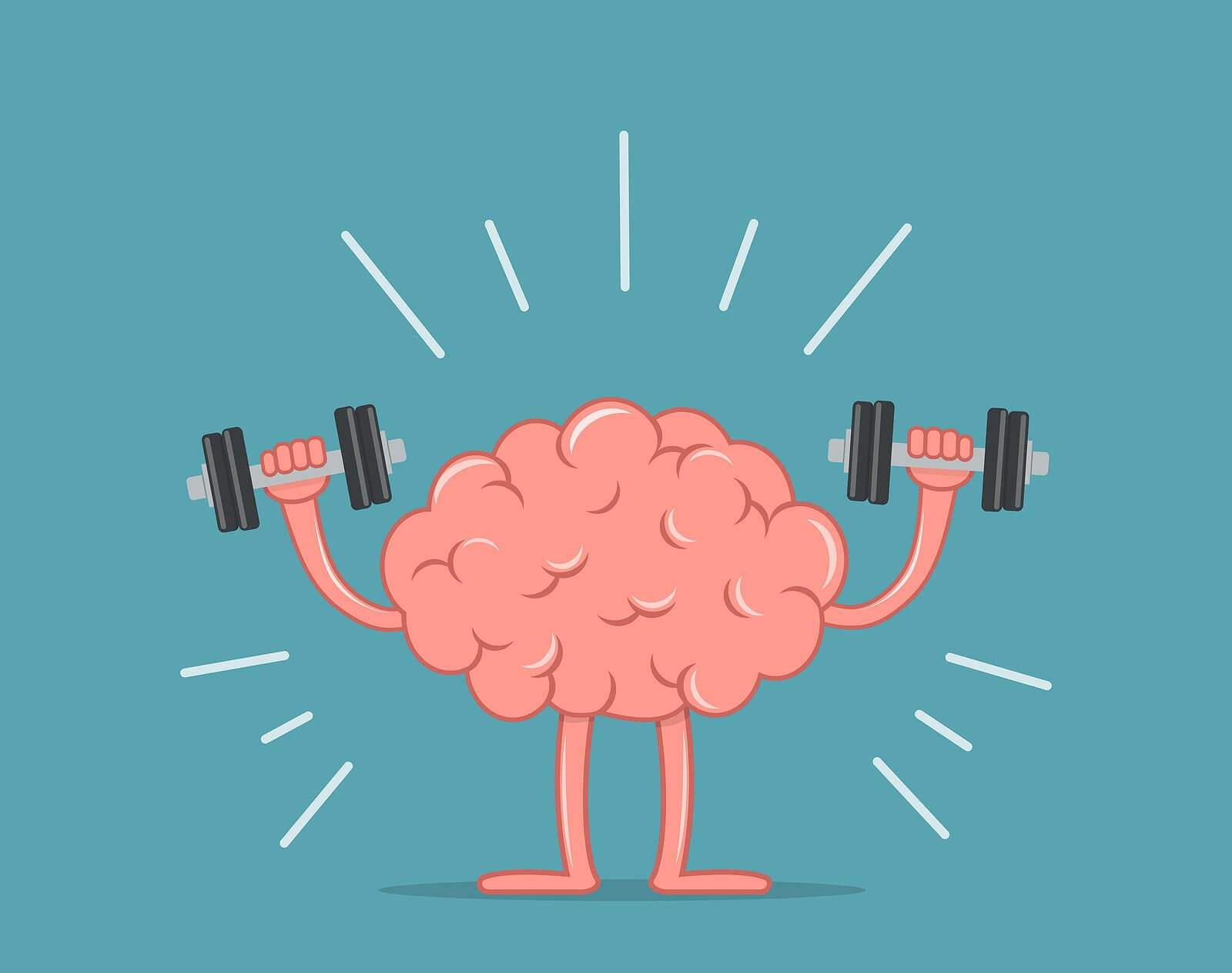 At its core, neurofeedback is all about operant conditioning. This is the same learning principle behind building new skills, forming habits, and behavioral training. Essentially, when the brain receives immediate reinforcement for certain patterns, it becomes more likely that those patterns will repeat in the future. Over time, this leads to neuroplasticity, the brain’s ability to reorganize itself by forming new neural connections. Our brains have the ability to shift in change in amazing ways when we want them to. Repeated training strengthens the networks associated with focus, emotional regulation, calmness, and cognitive flexibility. Of course, the networks that are strengthened depend on the neurofeedback protocol that is used. In simpler terms, each training session is like a workout for your brain. The more consistently you practice producing helpful patterns, the easier and more natural those patterns become in daily life.
Benefits of Neurofeedback
There is a large range of clinical applications for neurofeedback, including: ADHD, anxiety & depression, epilepsy, insomnia, addiction, learning disabilities, dyslexia, dyscalculia, trauma, and autism spectrum disorders. Because neurofeedback is noninvasive and uses learning rather than medication, many individuals choose it as an alternative or supplemental treatment. Research has shown promising results in the following areas:
- Attention & Focus (ADHD): Neurofeedback has one of its strongest evidence bases in ADHD. Studies show improvements in sustained attention, impulsivity, and executive function for many individuals.
- Anxiety & Stress Regulation: Training the brain to reduce excessive high-frequency “overarousal” patterns can help individuals feel calmer, more grounded, and more emotionally regulated.
- Sleep: Neurofeedback protocols targeting slow-wave activity or regulating excessive fast activity have shown improvements in insomnia, sleep onset, and sleep quality.
- Trauma & PTSD: Emerging research suggests neurofeedback may help stabilize hyperarousal, reduce intrusive symptoms, and support emotional regulation for trauma survivors.
- Mood Disorders: By training networks associated with rumination, cognitive flexibility, and attention, neurofeedback can support individuals managing depression or mood instability.
- Cognitive Performance & Learning: Some individuals use neurofeedback for performance enhancement, including improving memory, learning efficiency, or stress resilience.
Equipment Used
Clinical neurofeedback relies on specific/carefully calibrated equipment that is designed to read and analyze brainwaves. This typically includes:
- EEG Sensors (Electrodes): These are placed on the scalp to detect tiny electrical signals produced by brain activity. Sensors can be wet (gel-based solution) or dry, and the number can be anywhere from 1–19, depending on the protocol.
- EEG Amplifier: Because brain signals are extremely small, an amplifier boosts the signal so the software can analyze it clearly while filtering out noise.
- Neurofeedback Software: This software processes the EEG data in real time, identifies patterns being trained, and produces the visual or auditory feedback the client sees.
- Provider Monitoring Tools: Providers use data dashboards to monitor trends, session performance, and training effectiveness.
The individual interacts with feedback through video games designed for neurofeedback, movies that brighten or dim, animations that respond to brain activity, and simple visual displays that reward desired patterns.
Data Interpretation and Progress Monitoring
Neurofeedback is a learning process, so progress must be monitored over time. Providers interpret data from multiple sources to ensure the client is responding well and to adjust protocols if needed.
 Session-by-Session EEG Metrics: The software tracks how often the client produces desired patterns, how quickly they learn, and whether performance trends upward over time.
- Symptom Ratings & Clinical Questionnaires: Regular check-ins help measure real-world improvements in attention, sleep, anxiety, mood, or cognitive function.
- Behavioral Observations: Providers look for patterns like increased focus, emotional stability, better sleep, and improved academic and/or work performance.
- qEEG (When Used): Some clinics repeat qEEG mapping at intervals to visually track changes in brainwave patterns. While helpful, qEEG is only one piece of the puzzle and should always be interpreted in context—not in isolation.
- Provider Expertise: A trained clinician plays a crucial role in selecting the right protocol, monitoring progress, adjusting thresholds, identifying side effects such as fatigue or irritability, and ensuring training aligns with the client’s symptoms and goals.
 Session-by-Session EEG Metrics: The software tracks how often the client produces desired patterns, how quickly they learn, and whether performance trends upward over time.
Start Neurofeedback Therapy in Englewood, CO, Denver, CO, and Across the State
If you think neurofeedback may help you or a loved one, we would love to hear some of your story and explore whether neurofeedback may be helpful for you to reach your goals. Our team can offer support and help you find the best next step. You can start therapy with Mountain Vista Psychology by following these simple steps:
- Contact us, give us a call at 720-583-9332, or email us at info@mountainvistapsychology.com.
- Meet with a caring therapist
- Start neurofeedback with a personalized plan for lasting change
Other Services Offered by Mountain Vista Psychology
Neurofeedback isn’t the only service offered by Mountain Vista Psychology. Our team is happy to offer mental health support from Littleton, Englewood, and Greenwood Village in addition to online counseling. We offer a variety of mental health services, including ADHD testing and ADHD therapy for children, teens, and adults. Other services offered include child counseling, teen counseling, adult counseling, family therapy, grief counseling, and therapeutic yoga. Additionally, we provide neurofeedback therapy, including targeted neurofeedback for ADHD, autism, anxiety, concussion/TBI recovery, and sports or performance enhancement. We also conduct evaluations for learning disabilities and Autism. Read through the Mountain Vista blog for helpful information and insights!
Call For a FREE Consultation
We serve the Denver Metro area of Colorado. Click the button below to call and Schedule an Initial Consultation. To Schedule Neurofeedback or Testing please call us at 720-248-8603
Recent Articles

When the Birth Does Not Go As Planned
Birth Trauma For many expecting parents or pregnant people, when you envision what your birth experience looks like, it is…

How ADHD Can Impact Parenting Styles
ADHD in Adulthood ADHD (Attention-Deficit/Hyperactivity Disorder) does not disappear in adulthood. While ADHD is often associated with childhood, it continues…
Dispelling Neurofeedback Myths
Neurofeedback has become increasingly popular as a therapeutic tool for clients, but it remains misunderstood by many. Misconceptions about its…

Autism Testing for Adults: Why Diagnosis Still Matters
What is Autism? Autism is a neurological difference that impacts how one scales social interactions, interpersonal relationships, and experiences the…