
When the Birth Does Not Go As Planned

Birth Trauma
 For many expecting parents or pregnant people, when you envision what your birth experience looks like, it is a quick, painless delivery and a happy experience. Although birth is a beautiful thing, to many, it is more than a few hours of pain. In fact, studies show that in the United States up to 1 in 3 birth mothers experience a traumatic birth (2023, Dekel, Sharon, et. al.). If a traumatic birth is one’s first experience as a parent, and subsequently, a traumatic birth can shape how one views and approaches parenthood. It can lead to lasting mental health implications following the birth experience, which can last for months or even years.
Although birth trauma affects mothers more frequently, that does not mean its impact is limited to the person who gave birth. Anyone who witnessed or was a part of the birth experience can have birth trauma, including healthcare professionals and spouses. Birth trauma can also show up in many different ways with many different comorbidities. Each individual reacts to a traumatic birth in their own way because each individual has their own experience and relationship with birth and parenthood. Most commonly, postpartum depression, Post-Traumatic Stress Disorder (PTSD), adjustment disorder, and anxiety occur as a product of a traumatic birth experience.
What Does It Look Like?
Postpartum Depression
Postpartum depression can typically occur within the first year following giving birth. But it can even begin during pregnancy. Postpartum depression is typically the result of intense changes in hormones, but it can also be a product of birth trauma or a combination of both factors. It can look like anxieties about parenthood, distancing from the baby and from loved ones, thoughts of harming yourself or the baby, apathy in general and/or towards parenthood, and extreme irritability and display of emotions like anger or uncharacteristically frequent bouts of crying. Appetite as well as sleep can also deteriorate, which can lead to insomnia.
Postpartum Adjustment Disorder
Those with Postpartum adjustment disorder can act similarly to those with postpartum depression. Postpartum adjustment disorder looks like an atypical amount of disinterest, sadness, anger, anxiety, and feelings of worthlessness persisting 2-3 weeks after giving birth. These intense emotions can manifest as irritability, extreme anxiety, panic attacks, and difficulty concentrating. Those living with postpartum adjustment disorder can struggle with intrusive thoughts about hurting their child, and incidentally, can grapple with bonding with and caring for the new baby. This can cause guilt and fear about parenting.
Postpartum Post-Traumatic Stress Disorder
Postpartum PTSD can cause debilitating symptoms that can mirror those of postpartum adjustment disorder and postpartum depression, such as intense, prolonged sadness, apathy, irritability, and anxiety. Additionally, postpartum PTSD can cause flashbacks, nightmares, and intrusive thoughts that can make it feel like reliving the trauma. It can also lead to an intense fear and avoidance of people, feelings, sensations, environments, and thoughts that are associated with the traumatic experience. Therefore, places like doctors’ offices, checkups, and future pregnancies can be triggers that are very intentionally avoided.
Lasting Implications
The mental health implications that follow a traumatic birth not only significantly impact the mother’s well-being but also cause many other adverse consequences. These conditions impair parent-child attachment, delaying or preventing parent-child bonding. In addition to weakening breastfeeding initiation and increasing sleep interference, this can impair the overall development of the child. Moreover, they can create difficulties with intimacy extending past the parent-child bond and into other interpersonal relationships.
Why Does Birth Trauma Happen?
Birth trauma can be a product of many factors. It can happen due to pre-existing, antenatal (before birth) features, during delivery complications, and postpartum difficulties. Birth trauma is not always a sole result of the birthing experience, but there can be pre-pregnancy factors at play. This can include a history of depression, mental health issues, past trauma, sexual abuse, substance use disorders, and a fear of pregnancy and birth. Additionally, a lack of financial and mental support can increase the chances of difficulty during both pregnancy and labor.
Many occurrences during the actual birthing process can foster a traumatic relationship with the experience of delivery as well. These can look like complications or unexpected outcomes, such as birth injuries, preterm labor, stillbirth, and maternal morbidity, such as preeclampsia or lacerations, amongst others. Although physical complications can be very traumatic, a psychologically disturbing delivery experience can also have lasting adverse impacts. A subjectively negative birthing experience can be equally as damaging. This can look like feeling a lack of control during labor, dissociating at the time of childbirth, feeling an absence of support, and, in general, being consumed with negative emotions during the event.
How to Prepare – Support System
 If you live with any of the antenatal features listed, or you are worried about coping with the mental load of parenthood, it is crucial to prepare prior to pregnancy and parenthood. One of the best ways to be proactive is to create a support team. Identify people in your life who can provide you with mental support, in addition to practical support, such as babysitting, that can help ease stress. These people can be parents, close friends, neighbors, biological or found family, or a therapist that you feel you can rely on. Creating life is a big undertaking, and having a village by your side can make all the difference when tackling pregnancy, birth, and raising a child.
How to Prepare – Safety Plan
In addition to having a strong interpersonal support team, maintaining contact with professional care is an important part of staying mentally and physically prepared. This means contacting your medical doctors and OB/GYN to inform them about your intentions to pursue parenthood. Additionally, reaching out to mental health professionals like your therapist and/or psychiatrist is not only to seek support in your decision to become a parent, but also to make any necessary adjustments to treatment plans and medications. Tangentially, working with your therapist to create a plan is a great way to proactively make life after birth easier.
If you have a history of mental illness or addiction, designing a safety plan can be particularly beneficial. Doing so can make parenthood feel easier to scale and more digestible. Making a plan can help you feel prepared and can help you understand parental duties less overwhelmingly. Additionally, it can highlight warning signs for mental health relapses and what to do if symptoms get more severe. Another aspect of mentally preparing to have a child is communicating with the people in your life. Whether it’s with your support system, partner, or both, having safe, candid conversations about each other’s needs. To do this, define potential risks and create a protocol for how to help and what steps to take.
How to Prepare- Lifestyle Habits
You can’t put your energy into someone else without first being healthy yourself. This is why, before becoming a parent, you should first prioritize yourself. Take care of your own well-being so you can then be equipped to someday take care of your child. This means focusing on establishing and maintaining healthy routines and lifestyle habits. Consistently get adequate, undisturbed sleep, eat a balanced diet, exercise regularly, and practice mindfulness. Manage your stress levels and work to stay present. Do what works for you to be the best version of yourself, because being a parent means being a role model, so do what you can to form habits that you would want to impart on your child.
How to Prepare- Education
Another way to prepare, specifically for anxieties surrounding childbirth, is getting educated about the topic. You can take classes about prenatal care and learn about pain management techniques and what labor entails. Many find that through learning and understanding the stages of labor and understanding the procedure that aligns with giving birth, anxieties can be alleviated. Furthermore, maintaining a flexible mindset when making a birth plan is helpful in decreasing the risk of birth trauma. This doesn’t mean don’t make a birth plan; it means that it is important not to become rigid in your expectations of what birth will look like. Remember to focus on what you can control and be open to unexpected changes.
Coping Strategies
Although there are many ways to combat postpartum depression and birth trauma implications preemptively, it is impossible to control the outcome of giving birth. Sometimes, at no fault of the parents or people involved, birth trauma is unavoidable. So, what are the treatment options? Every recovery looks different depending on the nature of the birth and how the mother was impacted. A good way to start is by talking to your healthcare provider. Your healthcare provider can recommend medication for you or refer you to experts who can help. It is also important to give yourself grace and prioritize your recovery. Find time to rest and practice things that bring you joy.
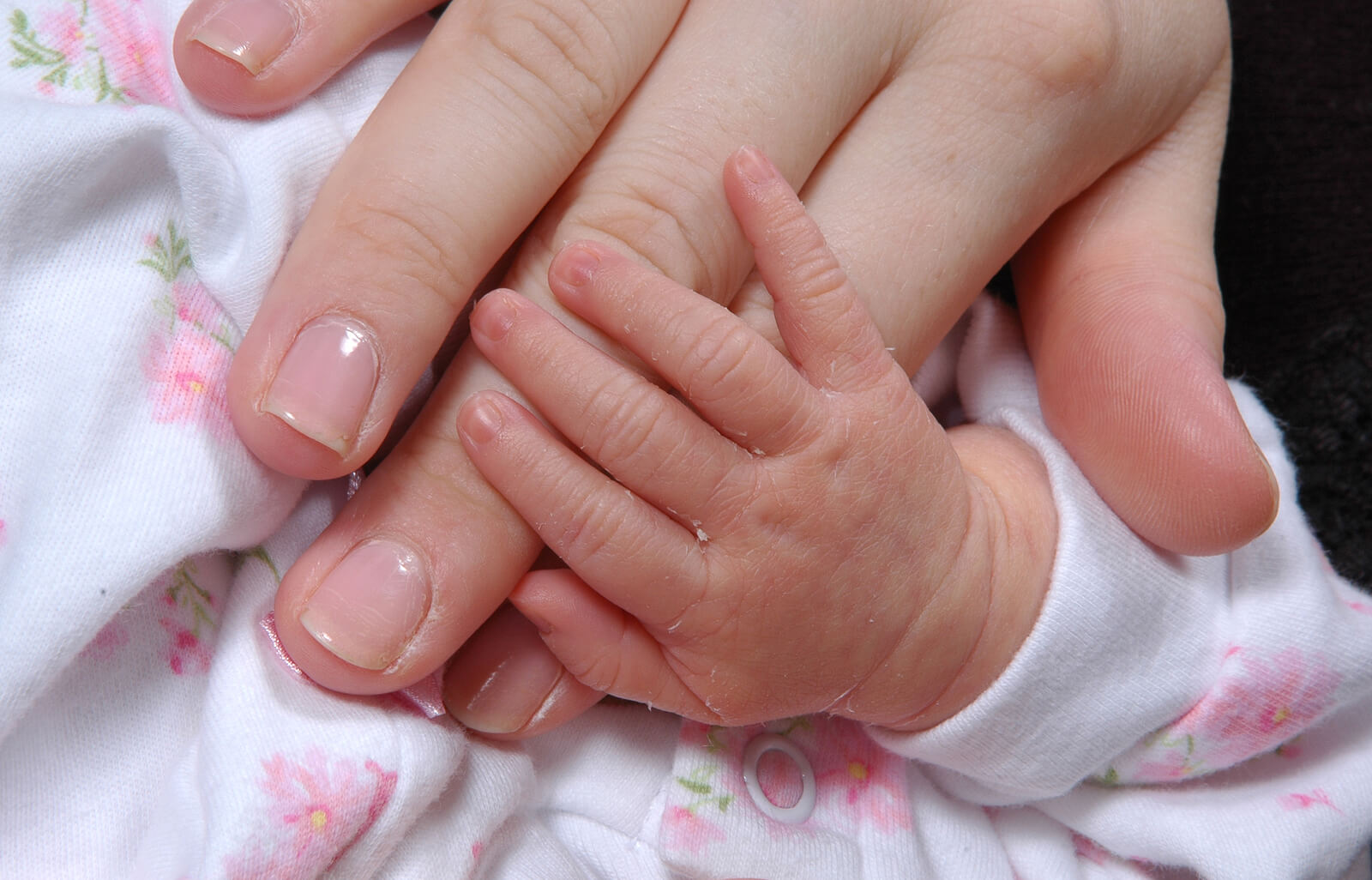 Another great way to cope with what you have experienced is to talk about it. Sharing your experience and your thoughts with a support group or a loved one can help with feelings of isolation.
Start Working With a Postpartum Therapist in Denver, CO, Greenwood Village, CO, Englewood, CO and Across the State!
Here at Mountain Vista Psychology, we have therapists and psychologists who specialize in birth trauma and postpartum therapies and can provide a safe space to gain the tools to grapple with these hard emotions. If you or a loved one is struggling with birth trauma, we are here to help. You can start your therapy journey with our team of caring therapists by following these simple steps:
- Contact us, call us at 720-583-9332, or email us at info@mountainvistapsychology.com!
- Meet with a caring therapist
- Start taking the first steps toward healing!
Other Services Offered by Mountain Vista Psychology
Support for maternal mental health isn’t the only service that our team offers in Littleton, Englewood, Hampden, and Greenwood Village. We are happy to provide a variety of services to support your mental health with in-person and online counseling. We offer a variety of mental health services, including ADHD therapy for children, teens, and adults. Other services offered include child counseling, teen counseling, adult counseling, family therapy, grief counseling, and therapeutic yoga. Additionally, we also offer neurofeedback therapy, including targeted neurofeedback for ADHD, ADHD testing, anxiety, concussion/TBI recovery, and sports or performance enhancement. We also conduct evaluations for learning disabilities and Autism testing. Read through the Mountain Vista blog for helpful info!
Citations
Dekel, Sharon, et al. “A Systematic Review of Interventions for Prevention and Treatment of Post-Traumatic Stress Disorder Following Childbirth.” MedRxiv (Cold Spring Harbor Laboratory), 23 Aug. 2023, www.ncbi.nlm.nih.gov/pmc/articles/PMC10485880/, https://doi.org/10.1101/2023.08.17.23294230.
Dumpa, Vikramaditya, and Ranjith Kamity. “Birth Trauma.” PubMed, StatPearls Publishing, 2021, www.ncbi.nlm.nih.gov/books/NBK539831/.
Call For a FREE Consultation
We serve the Denver Metro area of Colorado. Click the button below to call and Schedule an Initial Consultation. To Schedule Neurofeedback or Testing please call us at 720-248-8603
Recent Articles

How ADHD Can Impact Parenting Styles
ADHD in Adulthood ADHD (Attention-Deficit/Hyperactivity Disorder) does not disappear in adulthood. While ADHD is often associated with childhood, it continues…
Dispelling Neurofeedback Myths
Neurofeedback has become increasingly popular as a therapeutic tool for clients, but it remains misunderstood by many. Misconceptions about its…

Autism Testing for Adults: Why Diagnosis Still Matters
What is Autism? Autism is a neurological difference that impacts how one scales social interactions, interpersonal relationships, and experiences the…

The Intersectionality of Autism & LGBTQIA Throughout the Lifespan
If you have a child (of any age) who you think may be Autistic, has been diagnosed as Autistic, or…