
Autism Diagnosis Support Guide: Interventions, Therapy, and Accommodations for All Ages

Understanding Your Diagnosis
An Autism or other mental health diagnosis may be very overwhelming. Understanding a diagnosis can help lessen some common fears as well as prepare a person for the care they will receive. One of the most important things to understand is that Autism does not only affect one aspect of a person’s life. It describes how someone’s brain is wired to process the world around them, affecting every aspect of life. However, this diagnosis will not look the same for everyone because Autism is a spectrum. People are affected differently when it comes to communication, sensory experiences, social interaction, and behavior.
 Each Autistic individual will need varying levels of support in each respective area. There will be areas where more support or accommodation is needed, and there will be areas where minimal support or accommodation is needed. All experiences are valid, and each person should be given care that helps them thrive. This care may include addressing other conditions that tend to occur with Autism. Conditions like ADHD, anxiety, sensory processing differences, learning differences, and emotional regulation challenges often co-occur and may need their own support.
Intervention for Kids and Teens
Autism may be diagnosed early in life, when a person is still a child or in their early teen years. There are many interventions available for this stage of life that are individualized, support skill-building, and evolve as children grow.
Occupational Therapy (OT) for Kids/Teens:
Occupational therapy helps children and teens build the skills they need to participate more comfortably in daily life at home and in school. OT addresses sensory processing differences, fine-motor coordination, handwriting, self-care skills, emotional regulation, and executive functioning. Sessions may include sensory-integration activities, visual supports, movement-based regulation strategies, and routines that help individuals stay engaged in learning. For many families, OT also includes caregiver education, so tools and strategies can be carried across all settings to support consistent progress.
Counseling / Psychotherapy for Kids/Teens:
Counseling for autistic children and teens is typically adapted to support emotional regulation, anxiety, social stress, and self-esteem by using developmentally appropriate techniques. Therapists may use structured or visual tools, concrete language, and real-life practice scenarios to help youth understand feelings, cope with overwhelming situations, and navigate peer and school challenges. Family or parent-involved counseling can also strengthen communication at home and help caregivers respond to behaviors in supportive ways. For older teens, counseling may also focus on identity development, independence, and preparing for the transition to adulthood.
Neurofeedback for Kids/Teens:
Neurofeedback is a type of biofeedback where brain-wave activity is measured and displayed in real time. This allows a child or teen to consciously regulate their own brain activity with guided feedback. Some programs aim to support attention, arousal regulation, or self-calming. Over time, and with repetition, the brain begins to adopt these helpful patterns, and they may become second nature.
School Supports & Accommodations:
After an autism diagnosis, many students benefit from individualized support through an IEP (Individualized Education Plan) or 504 Plan. Common accommodations may include sensory or movement breaks, visual schedules, preferential seating, extended time on assignments or tests, quiet workspaces, assistive technology, and structured transitions or behavior-support plans.
 The goal is to reduce barriers to learning and help students access a curriculum in a way that matches their strengths and needs. As children grow into adolescence, these plans should evolve to include self-advocacy skills, independence goals, and preparation for the transition to college, vocational training, or employment. These interventions ensure that every child with a diagnosis can still receive a proper education while learning more comfortably.
Speech Therapy and Social Skills Support:
Speech-language therapy supports communication development in kids and teens. It may include expressive and receptive language, pragmatic (social) communication, and alternative or augmentative communication (AAC) when helpful. Many children and teens also benefit from structured social-skills programs or peer-based groups, where they can practice conversation, perspective-taking, cooperation, and conflict-resolution in a supportive environment. These services help students build real-world communication confidence, which can support friendships, classroom participation, and emotional well-being.
Parent Coaching Support:
Parent and caregiver coaching helps families understand common behaviors and develop strategies that support learning, communication, and regulation for everyday routines. Rather than focusing only on reducing behaviors, these approaches emphasize teaching new skills, adjusting environments, and supporting emotional needs. When home and school environments work together using shared strategies, children often experience greater consistency and stability. This promotes greater progress over time.
Interventions for Adults
Many interventions exist for adults who have been newly diagnosed as well as those who were diagnosed as children, but may need changes in care. Interventions at this stage of life should help with
Counseling and Therapy for Adults:
For many adults who receive an autism diagnosis later in life, counseling can provide ways to process the experience, build coping tools, and address challenges such as anxiety, burnout, masking fatigue, relationships, and life transitions. Therapists may use approaches such as CBT, acceptance-based therapy, or autism-affirming counseling. Therapy may also support the development of self-advocacy skills, identity understanding, and executive-functioning tools that make daily life feel more manageable.
Occupational Therapy (OT) for Adults:
Occupational therapy for adults focuses on improving participation in daily activities. This includes work, home, community settings, etc. OT may address sensory needs, fatigue and energy management, routine building, organization, time management, community navigation, or independent living skills. Therapists work collaboratively with adults to identify strengths and barriers, then develop personalized strategies or environmental modifications. These should support comfort, productivity, and independence.
Neurofeedback for Adults:
Autistic adults can explore neurofeedback as a tool for attention, stress regulation, or sleep-related difficulties. Adults considering neurofeedback will consult with providers who can explain the approach, discuss expectations, and help determine what aligns with their goals, preferences, and sensory comfort.
Workplace Accommodations:
Workplace accommodations help reduce barriers and support success on the job. They may include flexible scheduling, noise-reduction options, predictable routines, written instructions, assistive technology, clear role expectations, and regular structured feedback. These supports are access tools that allow employees to perform at their best.
Higher Education Accommodations:
For autistic adults who are in college or returning to school, disability-support offices can provide accommodations. These may include quiet testing environments, extended time, note-taking assistance, reduced course load options, or sensory-friendly study spaces. Learning to self-advocate with faculty and student-support offices is an important part of adult independence as well. Many students benefit from pairing accommodations with counseling, coaching, or OT strategies to support organization, stress management, and academic persistence.
General Peer, Community, and Life Skills Support:
 Beyond formal therapy, many adults find peer-support groups, community programs, coaching, and social-connection opportunities very helpful. These activities can reduce isolation, offer practical problem-solving, and provide a sense of belonging among others with similar experiences.
Tips for Families
For many families, the most helpful next step after an autism diagnosis is learning what day-to-day support can make life smoother at home, school, and work. Common accommodations include building predictable routines, using visual schedules or reminders, and breaking tasks into manageable steps to reduce stress. Sensory supports that include quiet spaces, noise-reducing headphones, or movement breaks can also help with regulation. At school or work, accommodations may include extended time on tasks, alternative communication options, or less distracting environments.
Start Working With an Autism Therapist in Greenwood Village, CO, Littleton, Denver, and Across Colorado
Families can further support success by working with educators, therapists, and employers. They can help by advocating for needs through more formal plans (such as IEPs, 504 plans, etc.) and emphasizing communication at home. Over time, these small but consistent supports can improve functioning, independence, and confidence for autistic individuals. The team at Mountain Vista Psychology would be happy to offer support in finding clarity. You can start your therapy journey with a caring therapist by following these simple steps:
- Contact us today to schedule a consultation
- Meet with a caring therapist
- Start receiving the support you deserve!
Other Services Offered by Mountain Vista Psychology
Autism testing isn’t the only service that our team offers in Littleton, Englewood, Hampden, and Greenwood Village. We offer a variety of mental health services in-person and online, including ADHD therapy for children, teens, and adults. Other services offered via in-person and online counseling include child counseling, teen counseling, adult counseling, family therapy, grief counseling, and therapeutic yoga. Additionally, we also offer neurofeedback therapy, including targeted neurofeedback for ADHD, ADHD testing, anxiety, concussion/TBI recovery, and sports or performance enhancement. We also conduct evaluations for learning disabilities and Autism. Read through the Mountain Vista blog for helpful info!
Call For a FREE Consultation
We serve the Denver Metro area of Colorado. Click the button below to call and Schedule an Initial Consultation. To Schedule Neurofeedback or Testing please call us at 720-248-8603
Recent Articles
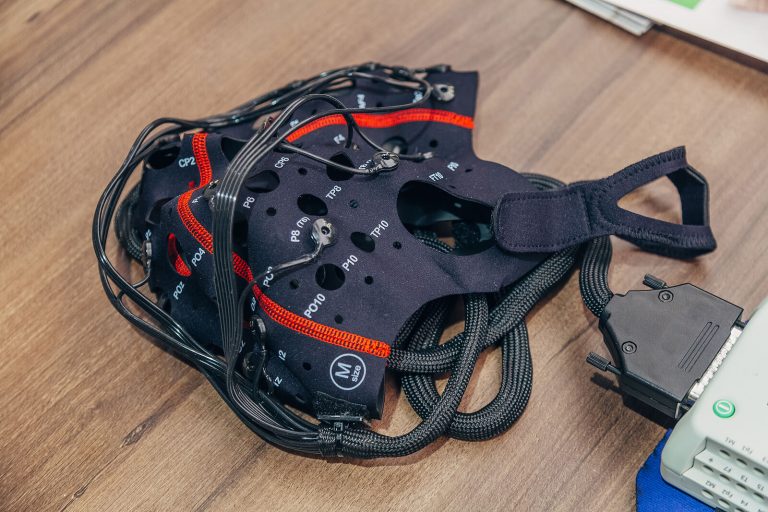
What is Neurofeedback and How does It Work?
Neurofeedback, also known as EEG biofeedback, is a therapy that trains the brain in self-regulation and has been shown to…

When the Birth Does Not Go As Planned
Birth Trauma For many expecting parents or pregnant people, when you envision what your birth experience looks like, it is…

How ADHD Can Impact Parenting Styles
ADHD in Adulthood ADHD (Attention-Deficit/Hyperactivity Disorder) does not disappear in adulthood. While ADHD is often associated with childhood, it continues…
Dispelling Neurofeedback Myths
Neurofeedback has become increasingly popular as a therapeutic tool for clients, but it remains misunderstood by many. Misconceptions about its…