
What is Neurofeedback and How does It Work?
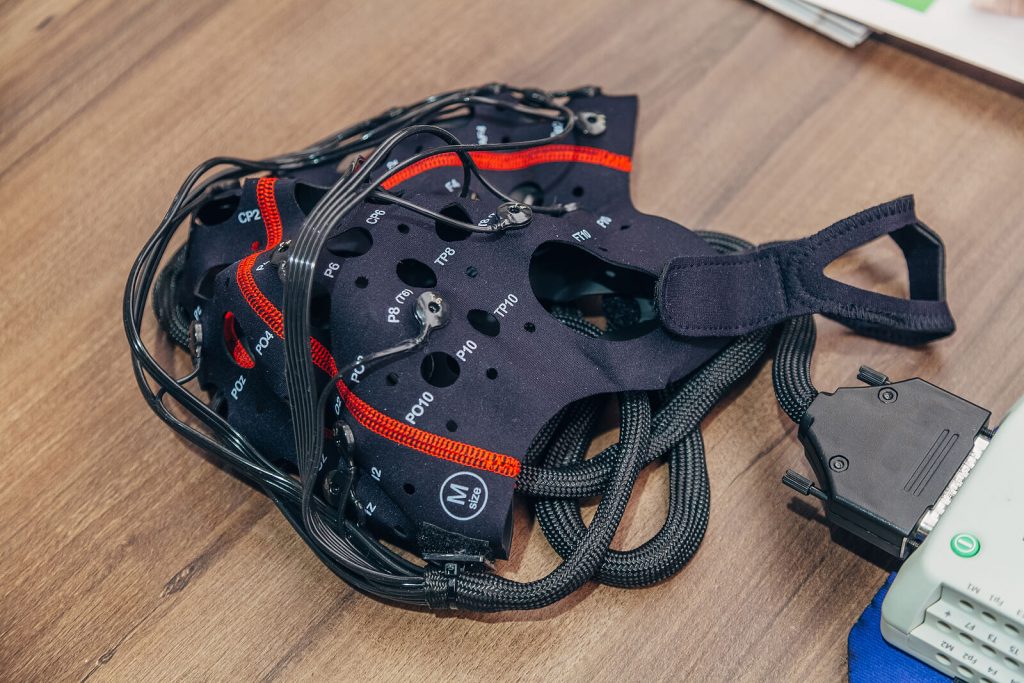
Neurofeedback, also known as EEG biofeedback, is a therapy that trains the brain in self-regulation and has been shown to improve cognition and emotional regulation.
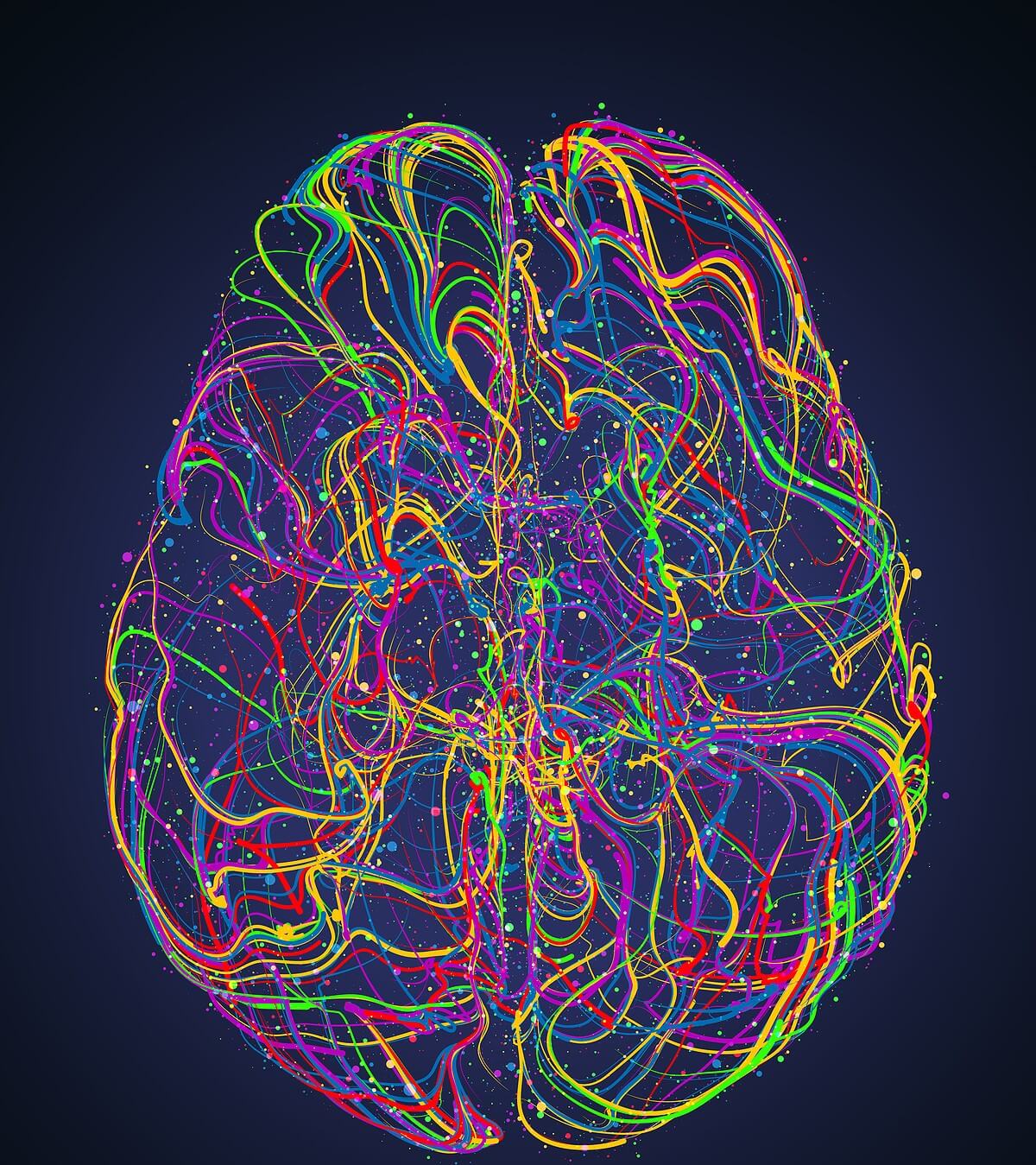 It works by using audio and visual feedback as a reward for desired brainwaves. At Mountain Vista Psychology, the first step in doing neurofeedback is to complete a brain map or QEEG (Quantitative Electroencephalogram). Getting a brain map is paramount to the process of neurofeedback since it tells us exactly what areas of the brain need extra help with self-regulation. In essence, the brain map shows us which areas of the brain we need to work on. Getting a brain map in its entirety typically takes an hour to an hour and a half.
Through the duration of the QEEG appointment, therapeutic goals are established, and your therapist works to understand what’s going on for you and what your goals are. Once intentions are established, we will move on to the brain map portion of the appointment. A brain map is a non-invasive and painless way to understand how your brain operates. The process of getting a brain map begins with fitting a soft cap to your head. This soft cap has 19 sensors across its surface, which track electrical activity. Then, we will place a small amount of gel into each sensor, which helps ensure a clear picture of your brain.
During the mapping, you will relax and do your best to sit still. Typically, we will want to get a picture of your brain both when your eyes are open and when your eyes are closed. To do this, you will sit still for around ten minutes with your eyes open, then this will be repeated with your eyes closed.
How We Read Your Brain Map Results
Once we have the recording, we will compare your brainwaves to a “normative” database of what healthy, “typical” brain activity looks like in your age group and demographic. To do this, your data is shown on a color-coded map that easily displays which parts of your brain are performing within the normal range, are underactive, or overactive. The color white is dedicated to parts that are functioning healthily, blue and light blue stand for sections that are underactive, and red and yellow areas are overactive. Underactive areas are typically linked to focus issues or depression, while overactive areas are typically linked to anxiety or stress. Now that we understand the way your brain works, we can move on to create a treatment plan through neurofeedback!
Depending on the results of your brain map, the course of action will vary as we individualize each person’s treatment to their specific brain and symptoms. The areas of neural dysregulation impact our approach. Depending on whether the cause of the symptoms is anxiety, insomnia, ADHD, or depression, our treatment plan will vary. Additionally, the location of the imbalances will change what areas we target when pursuing neurofeedback.
For example, if it is found that anxiety levels are higher when eyes are closed compared to when eyes are open, we might want to do the initial neurofeedback sessions with eyes closed so we can target the areas in need of attention. Or, if memory issues are present in a specific region of the brain, then we can target the specific region and networks in the brain that are responsible. Again, a tailored plan must be created to get to the root cause of your symptoms.
So, How Does Neurofeedback Actually Work?
In simple terms, neurofeedback “rewards” the brain for exhibiting desired behavior. This is known as operant conditioning. A typical neurofeedback session will start with attaching small sensors to your scalp on the areas we want to target. These sensors are placed onto your scalp with a small amount of cool, water-soluble gel and are connected to the computer with a thin wire. These sensors monitor electrical activity in the brain. The computer then displays brainwave patterns. The computer screen typically looks similar to a video game.
What to Expect During a Neurofeedback Session
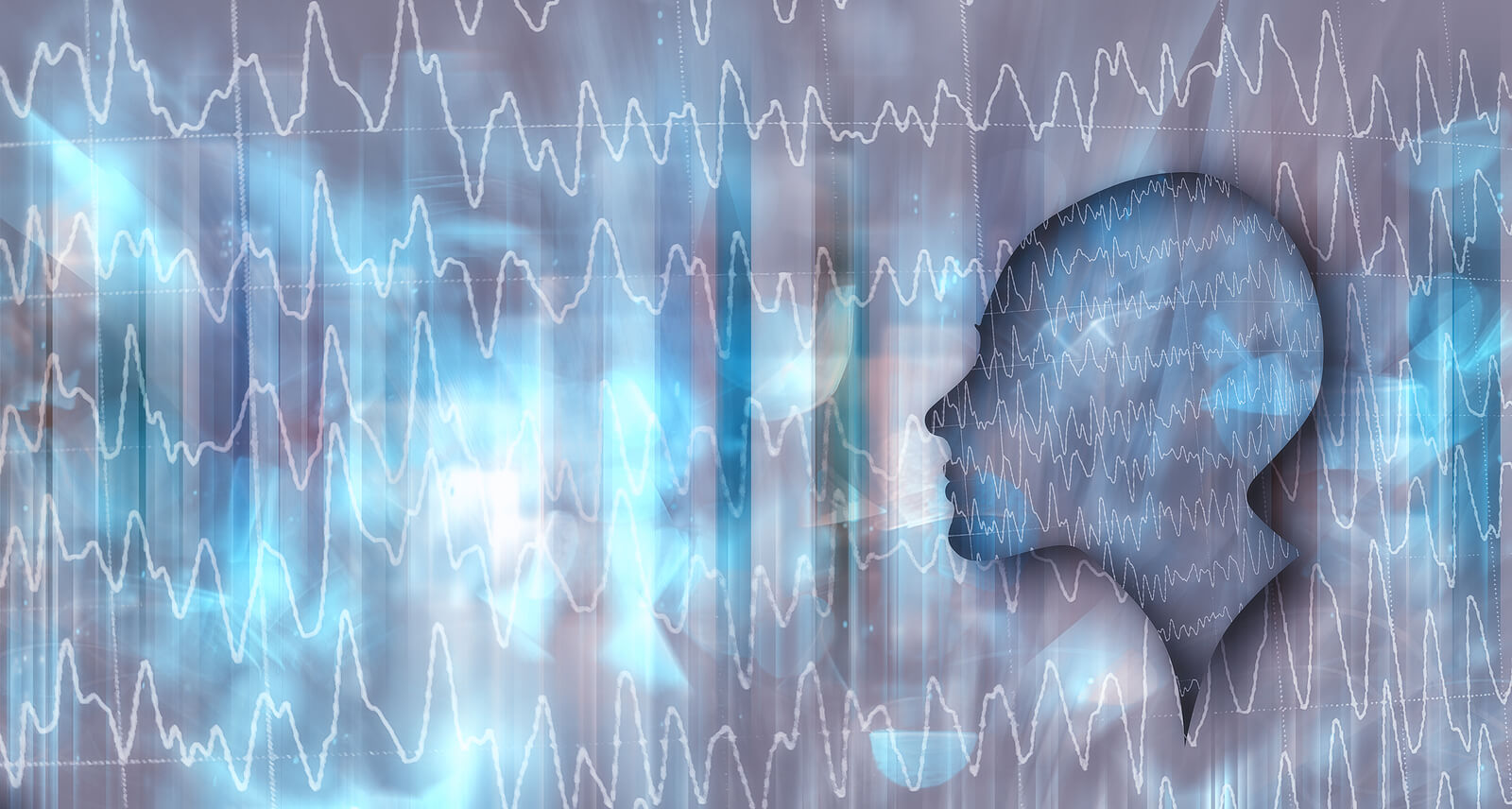 You have the choice between several options of possible “games” to watch, which display a variety of images. These images typically react in repeated motions according to your brain activity. For example, if the dolphin option is chosen, you will see a dolphin swimming through the ocean, repeating the same swimming motion. This visual is paired with a beeping noise. Every time you hear a beep and see the dolphin move, it is positive reinforcement that your brain is self-regulating correctly. If you don’t hear the beep for several seconds or see the dolphin’s movement stall, then this indicates that your brain is not adjusting properly.
This process of focusing on repeating the dolphins’ motions will continue for around 30 minutes until the session is over. This process of reward for desired behavior conditions your brain through both operant conditioning and neuroplasticity to produce more balanced, healthy brain activity. Neuroplasticity happens when interconnected networks of nerve fibers, or neurons, transmit information, signals, and electrical impulses throughout the brain and nervous system (Great Minds Clinic). So, forming a new habit happens through consistency, which strengthens neural connections, making practicing that habit easier, and using those neural connections faster and more efficiently over time.
On the other hand, when breaking an old habit without consistency using these neural pathways, they will weaken, and going back to said old habits will become less and less enticing. This exact concept is what makes neurofeedback so efficient. As your brain is positively reinforced when it regulates itself and is negatively reinforced when it does not, a habit is formed, and it becomes easier and easier for your brain to naturally produce balanced brainwaves.
What Can Neurofeedback Help With?
Neurofeedback is beneficial for numerous different difficulties. It can help improve symptoms of mental health disorders, neurological conditions, and sleep disturbances. Neurofeedback helps aid in performance enhancement, attention, behavior, and rehabilitation. For ADHD (attention deficit hyperactivity disorder), it has been shown to manage and reduce hyperactivity and impulsivity in addition to improving focus. In ASD (autism spectrum disorder), it has been shown to improve emotional and behavioral regulation and neurodevelopmental issues in addition to aiding in social communication difficulties. For mood disorders, including depression, it has been shown to improve emotional regulation and mood stability. For anxiety disorders, it has been shown to bring the brain to a more balanced state, which counteracts panic attacks.
Similarly to the way neurofeedback works for anxiety disorders, neurofeedback improves the symptoms of PTSD (post-traumatic stress disorder) by moving the brain from a “fight or flight” state to a more regulated state. Neurofeedback can also help with substance use disorders by reducing cravings and fighting withdrawal symptoms, sleep disorders by treating disrupted sleep patterns, and OCD (obsessive compulsive disorder) by reducing compulsive behaviors. Not only does neurofeedback help with mental health disorders, but it can also aid in other cognitive conditions. These include Traumatic Brain Injuries and concussions, chronic pain and migraines, attachment disorders, and learning disabilities.
Start Working With a Neurofeedback Therapist in Englewood, CO, Denver, CO, Littleton, CO, and Across the State!
 In general, neurofeedback teaches your brain to regulate itself, which applies to a myriad of different disorders and conditions. Do you or a loved one struggle with any of these neurological differences? Here at Mountain Vista Psychology, we have several board-qualified, licensed neurofeedback practitioners who can help you or your loved one create and carry out an individualized treatment plan to tackle your mental health goals! You can start your therapy journey by following these simple steps:
- Contact us, give us a call at 720-583-9332, or email us at info@mountainvistapsychology.com.
- Meet with a caring therapist
- Start finding a treatment plan that works for you!
Other Services Offered by Mountain Vista Psychology
Neurofeedback isn’t the only service offered by Mountain Vista Psychology. Our team is happy to offer in-person mental health support from Littleton, Englewood, and Greenwood Village, in addition to online counseling across the state. We offer a variety of mental health services, including ADHD testing and ADHD therapy for children, teens, and adults. We also offer child counseling, teen counseling, adult counseling, family therapy, grief counseling, and therapeutic yoga. Additionally, we provide neurofeedback therapy, including targeted neurofeedback for ADHD, autism, anxiety, concussion/TBI recovery, and sports or performance enhancement. We also conduct evaluations for learning disabilities and Autism. Read through the Mountain Vista blog for helpful information and insights!
Work Cited:
What are neural pathways? – Great Minds Clinic. (2025). Great Minds Clinic. https://www.greatmindsclinic.co.uk/what-are-neural-pathways/
Call For a FREE Consultation
We serve the Denver Metro area of Colorado. Click the button below to call and Schedule an Initial Consultation. To Schedule Neurofeedback or Testing please call us at 720-248-8603
Recent Articles

When the Birth Does Not Go As Planned
Birth Trauma For many expecting parents or pregnant people, when you envision what your birth experience looks like, it is…

How ADHD Can Impact Parenting Styles
ADHD in Adulthood ADHD (Attention-Deficit/Hyperactivity Disorder) does not disappear in adulthood. While ADHD is often associated with childhood, it continues…
Dispelling Neurofeedback Myths
Neurofeedback has become increasingly popular as a therapeutic tool for clients, but it remains misunderstood by many. Misconceptions about its…

Autism Testing for Adults: Why Diagnosis Still Matters
What is Autism? Autism is a neurological difference that impacts how one scales social interactions, interpersonal relationships, and experiences the…